
 0
0
 0
0
Hotels are no longer just places to sleep; they are becoming sanctuaries designed to ease the mind and soothe the soul. As mental wellness takes center stage in how people approach travel, the hospitality industry is rethinking its spaces to reduce stress and promote relaxation.
The Growing Importance of Mental Wellness in Travel
Travel has traditionally been associated with excitement and adventure, but increasingly, travelers are seeking more than just new sights. They want to return from their trips feeling refreshed, balanced, and mentally recharged. This shift is driven by a broader cultural recognition of mental health’s importance and the growing stressors of daily life.
Hotels, once focused primarily on comfort and luxury, are now embracing their role in supporting mental well-being. This means crafting environments that help guests disconnect from their worries and reconnect with themselves. The design of physical spaces plays a fundamental role in this transformation.
Design Elements That Promote Relaxation and Calm
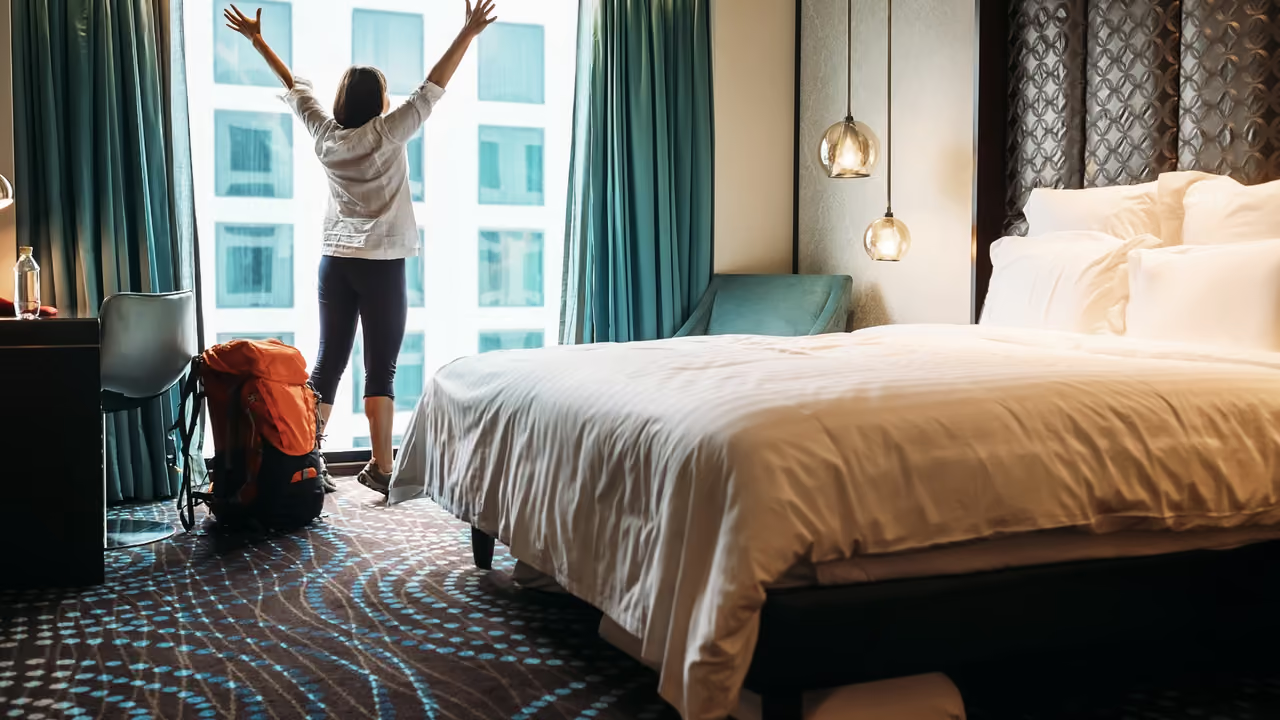
Creating a calming atmosphere starts with the architecture and interior design. Natural light, for example, is a powerful tool for improving mood and regulating circadian rhythms. Many new hotels prioritize large windows and skylights to flood rooms and common areas with daylight.
Colors matter, too. Soft, muted palettes inspired by nature—think gentle greens, blues, and earth tones—are chosen over stark whites or harsh neons. These colors help guests feel grounded and at ease.
Biophilic design, which incorporates natural elements into built environments, is gaining traction. Indoor plants, water features, and natural materials like wood and stone create a sensory connection to the outdoors, which studies show can reduce anxiety and improve focus.
Quiet zones have become standard. Soundproofing guest rooms and creating designated peaceful areas within the hotel allow visitors to escape the noise of daily life. Comfortable seating, soft textiles, and thoughtful lighting design further enhance these spaces.
- Nature-inspired artwork to evoke tranquility.
- Minimalist layouts to avoid visual clutter.
- Ergonomic furniture that supports physical comfort and relaxation.
Technological Innovations Supporting Guest Well-Being
Technology is no longer just about convenience; it’s becoming a tool for mental wellness. Smart lighting systems allow guests to adjust color temperature and intensity to suit their mood or time of day, helping regulate sleep cycles and reduce stress.
Soundscaping technology offers customizable sound environments, from calming ocean waves to gentle rain, masking urban noise and fostering relaxation. Some hotels integrate these systems directly into rooms or relaxation lounges.
Wearable health technology and apps linked with hotel services provide personalized feedback on sleep quality, stress levels, and activity, enabling guests to tailor their stay to support their mental health goals.
Virtual reality relaxation experiences, meditation guides, and digital detox programs are increasingly incorporated into the guest experience. These innovations encourage mindfulness and provide tools for managing anxiety and promoting calm.
Case Studies of Hotels Successfully Integrating Wellness-Focused Design
1. The Well Living Hotel in New York City
Designed in collaboration with health experts, this hotel embraces wellness at every level. Rooms feature circadian lighting systems that mimic natural daylight patterns. Air quality is continuously monitored and enhanced with advanced filtration. Natural materials and greenery are abundant, and a dedicated meditation lounge offers guided mindfulness sessions.
2. Six Senses Hotels Resorts Spas
Six Senses properties worldwide focus heavily on biophilic design and sustainability. Their resorts use local materials and incorporate extensive green spaces. Guests have access to wellness programs including yoga, sound therapy, and nutritional counseling. Technology is subtly integrated to support sleep hygiene and stress reduction without overwhelming the senses.
3. The YOTEL in Singapore
YOTEL blends futuristic technology with wellness-minded design. Rooms include smart lighting and sound systems promoting relaxation. The hotel offers a “Sleep Concierge” service with amenities such as noise-cancelling headphones and aromatherapy. Public spaces feature quiet pods and green walls, creating a peaceful urban oasis.
4. 1 Hotel Brooklyn Bridge
This eco-conscious hotel emphasizes natural elements and sustainability, creating a calming environment amid the city bustle. The rooms are designed with reclaimed wood and organic fabrics, while the rooftop offers panoramic views and a serene green space. Wellness programming includes guided meditation and sound baths, aligning with the hotel’s holistic approach.


